Roof Repairs
Roof Vent Repairs in Sydney
A roof vent that leaks or seizes up costs you twice — in water damage and in a hotter, damper roof space.
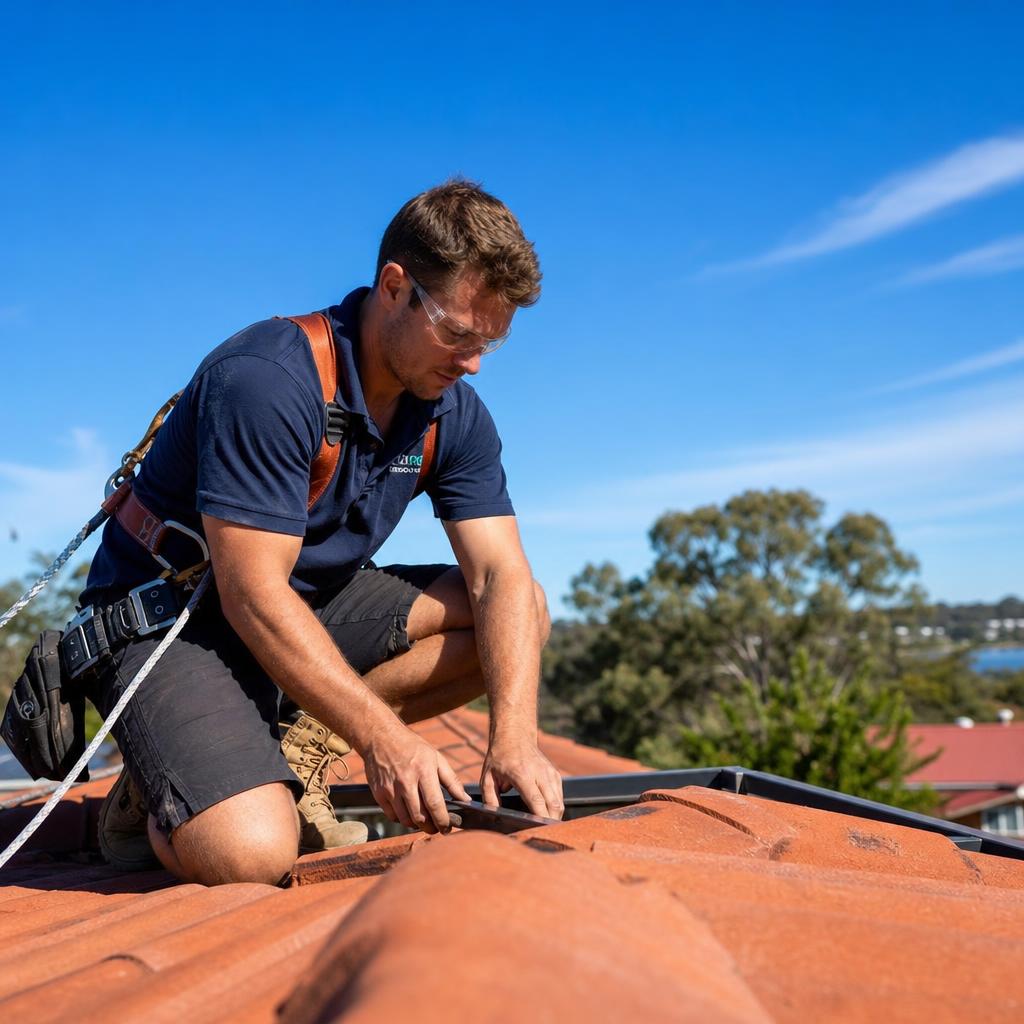
Roof vents keep your roof space breathing — whirlybirds and ridge vents draw out trapped heat and moisture, while flue and exhaust penetrations pass through the roof to the outside. Every one of them is a hole cut in an otherwise watertight surface, so the seal around it matters enormously. In Sydney's heat, whirlybird bearings seize and rattle, dome flashings perish, and cheap penetration seals crack and let water track straight into the ceiling.
Where roof vents leak
The leak is almost never through the vent's moving parts — it's at the base flashing where the vent meets the roof. On a tiled roof that base has to be dressed into the tile profile; on a metal roof it relies on a moulded flashing (often a rubber 'dektite' boot) sitting flush against the ribs. When that boot hardens and splits in the UV, or the tile-profile flashing lifts, rain runs under it and into the roof space.
Whirlybirds add another failure point: the throat and the neck flashing. If the previous installer relied on sealant instead of a properly formed flashing, it lets go within a few years. We see a lot of ceiling stains blamed on 'the tiles' that are really a tired whirlybird base leaking a metre uphill.
Whirlybirds, ridge vents and flues
For whirlybirds we re-grease or replace seized bearings, refit or replace the neck flashing, and re-tension the fins so they spin freely and stop rattling. If a unit is rusted or has lost its bearing entirely, replacing it is cheaper than nursing it along. Ridge vents get their over-flashing checked and re-lapped so they draw air without letting rain in.
Flues and exhaust penetrations — from bathroom fans, rangehoods, gas heaters and hot-water units — each need the correct storm collar and boot for the pipe diameter and the roof type. We replace perished rubber boots with the right size, dress the flashing into the roof, and make sure combustion flues keep their required clearances.
Getting the ventilation balance right
Fixing a vent is also a chance to check whether your roof is actually ventilating. Vents only exhaust well if there's matching intake at the eaves; otherwise a whirlybird just spins without moving much air. If your roof space runs hot or you see condensation and mould on the underside of the sarking, the answer is often more balanced ventilation, not just a repaired unit.
We'll give you a straight read on whether your existing vents are doing their job and whether adding intake or a passive ridge vent would help. We won't upsell extra whirlybirds that won't perform without the intake to feed them.
What's Included
- Inspection of vent base flashings and penetration seals
- Re-greasing or replacing seized whirlybird bearings
- Refitting or replacing neck and base flashings
- Replacing perished rubber boots on flue and exhaust penetrations
- Checking correct storm collars and clearances for combustion flues
- Advice on eave intake and ventilation balance
Frequently Asked Questions
My whirlybird is squeaking and rattling — does it need replacing?
Not always. A squeak is usually a dry or worn bearing, which we can re-grease or replace, and loose fins can be re-tensioned. If the unit is rusted or the bearing has failed completely, replacing it is cheaper than nursing it along. We'll tell you which it is honestly.
Water is coming in near my exhaust flue — why?
Almost always the rubber boot or flashing around the pipe has perished and split in the UV, letting rain track down the pipe into the ceiling. We replace it with the correct boot for your pipe size and roof type and dress the flashing in properly, rather than smearing sealant over it.
Do whirlybirds actually work?
They do, but only if there's enough intake air at the eaves to feed them — otherwise they just spin without moving much air. Fixing a vent is a good time to check the whole ventilation balance. We'd rather get your existing vents working than sell you more that won't perform.
Can you fix a vent leak without replacing the vent?
Often yes. The leak is usually at the base flashing, not the vent itself, so re-dressing or replacing the flashing and boot solves it while the vent stays. If the unit is corroded or seized we'll recommend replacement, but we always check the flashing first.
Request a Free Inspection
Book a free, no-obligation inspection with our local crew.
Ready To Protect Your Home?
Book Your Free Roof Inspection Today.
Whether you need emergency roofing, leak detection, storm damage repairs or simply peace of mind, our experienced roofing specialists are ready to help. No pressure. No hidden costs. Just honest roofing advice.