Roof Repairs
Loose Ridge Capping Repairs Across Sydney
Loose capping is the number one cause of tile roof leaks. We re-bed and re-point it to last.
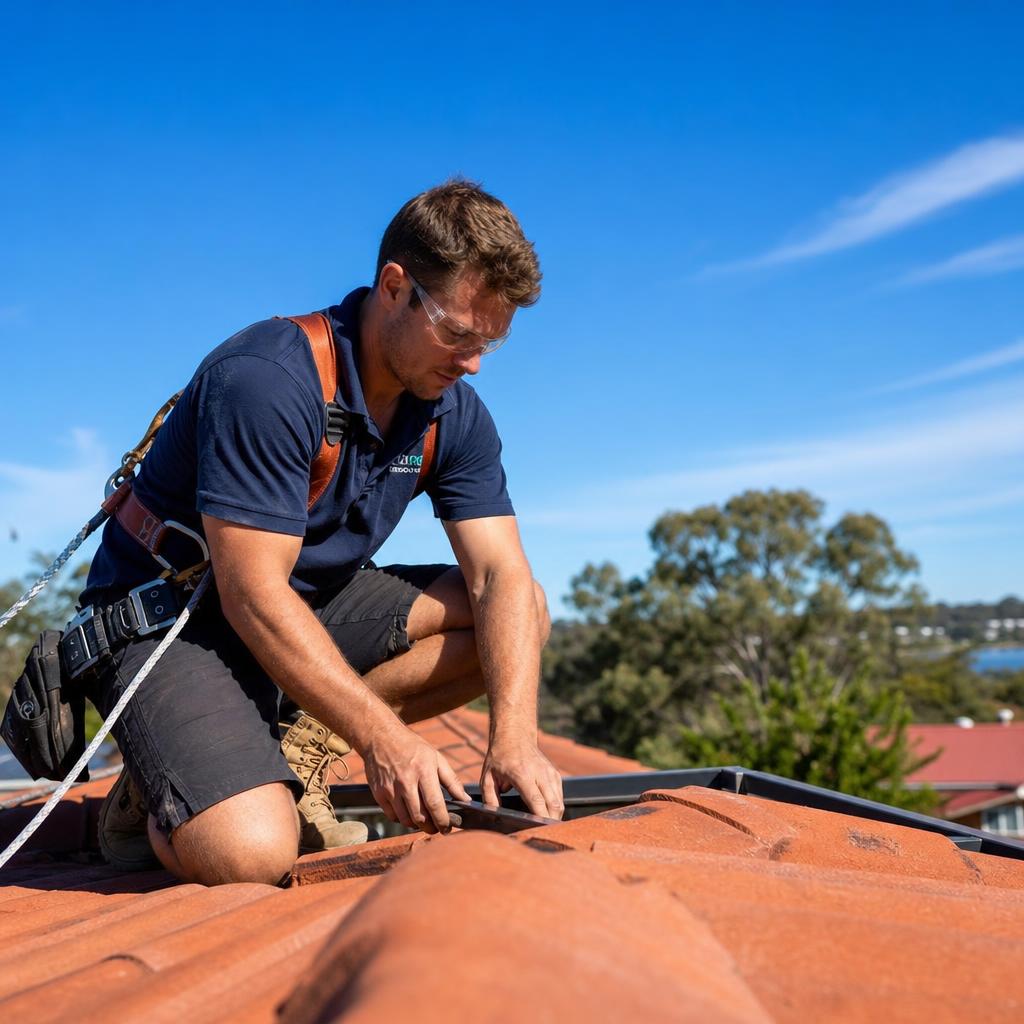
The ridge capping runs along the peaks and hips of a tiled roof, and it's held down by a bed of mortar and sealed with pointing on top. That mortar has a shelf life, it cracks and crumbles over 15 to 20 years, and once it does the caps loosen, leak and can lift off in strong wind. Loose ridge capping is one of the most common roof problems we see across Sydney, and doing it properly means re-bedding, not just smearing on fresh pointing.
Why ridge capping comes loose
The bedding mortar under the caps is rigid, so as the roof expands, contracts and moves over the years it cracks and gradually turns to sand. Water then gets into the bed, washes it out further and the caps sit on nothing. Sydney's wind and driving rain accelerate the process, and once caps are loose a strong southerly can lift them off entirely and send them into the yard.
Re-bedding versus just re-pointing
There's an important difference. Re-pointing only redoes the flexible top seal, and it's fine if the bedding underneath is still sound. But if the bedding has failed, pointing over the top just hides loose caps for a year or two before it all lets go again. Proper repair means lifting the caps, removing the old bedding, re-bedding them in fresh mortar and then re-pointing over the top.
We assess which your roof actually needs and tell you straight. Selling a full re-bed when re-pointing would do isn't honest, and vice versa.
Flexible pointing that stays put
The old approach was rigid cement pointing, which cracks straight back out as the roof moves. We finish re-bedded capping with a flexible pointing compound that flexes with the roof instead of cracking, and it comes in colours to suit terracotta and concrete tiles so it looks right as well as sealing properly. Done this way, ridge capping repairs last far longer than the traditional method.
What's Included
- Assessment of whether the roof needs re-bedding or just re-pointing
- Lifting loose caps and removing failed, crumbling bedding mortar
- Re-bedding ridge and hip capping in fresh mortar
- Flexible re-pointing that moves with the roof instead of cracking
- Colour-matched pointing to suit terracotta or concrete tiles
- Securing caps at risk of lifting before the next big storm
Frequently Asked Questions
What's the difference between re-bedding and re-pointing?
Re-bedding replaces the mortar that holds the caps down; re-pointing renews only the flexible top seal. If the bedding is still solid, re-pointing is enough. If the bedding has crumbled, you need re-bedding first, because pointing over failed bedding just hides loose caps for a short while.
Can loose ridge capping really cause a leak?
Yes, it's one of the most common causes of tile roof leaks we see. Once the mortar cracks, water gets under the caps and into the roof space, and gaps also let wind-driven rain straight in. Loose caps can also lift off entirely in a strong Sydney storm.
How often does ridge capping need redoing?
Typically every 15 to 20 years with traditional rigid mortar, sometimes sooner on exposed or coastal roofs. Flexible pointing over sound bedding lasts considerably longer. If you can see cracked mortar along your ridges or find bits of it in the gutter, it's due for attention.
Is flexible pointing better than cement?
For the top seal, yes. Rigid cement pointing cracks as the roof moves and lets go relatively quickly. Flexible pointing compound flexes with that movement, so it stays sealed far longer and resists cracking. It also comes in colours to match your tiles, so the finished ridge looks right too.
Request a Free Inspection
Book a free, no-obligation inspection with our local crew.
Ready To Protect Your Home?
Book Your Free Roof Inspection Today.
Whether you need emergency roofing, leak detection, storm damage repairs or simply peace of mind, our experienced roofing specialists are ready to help. No pressure. No hidden costs. Just honest roofing advice.