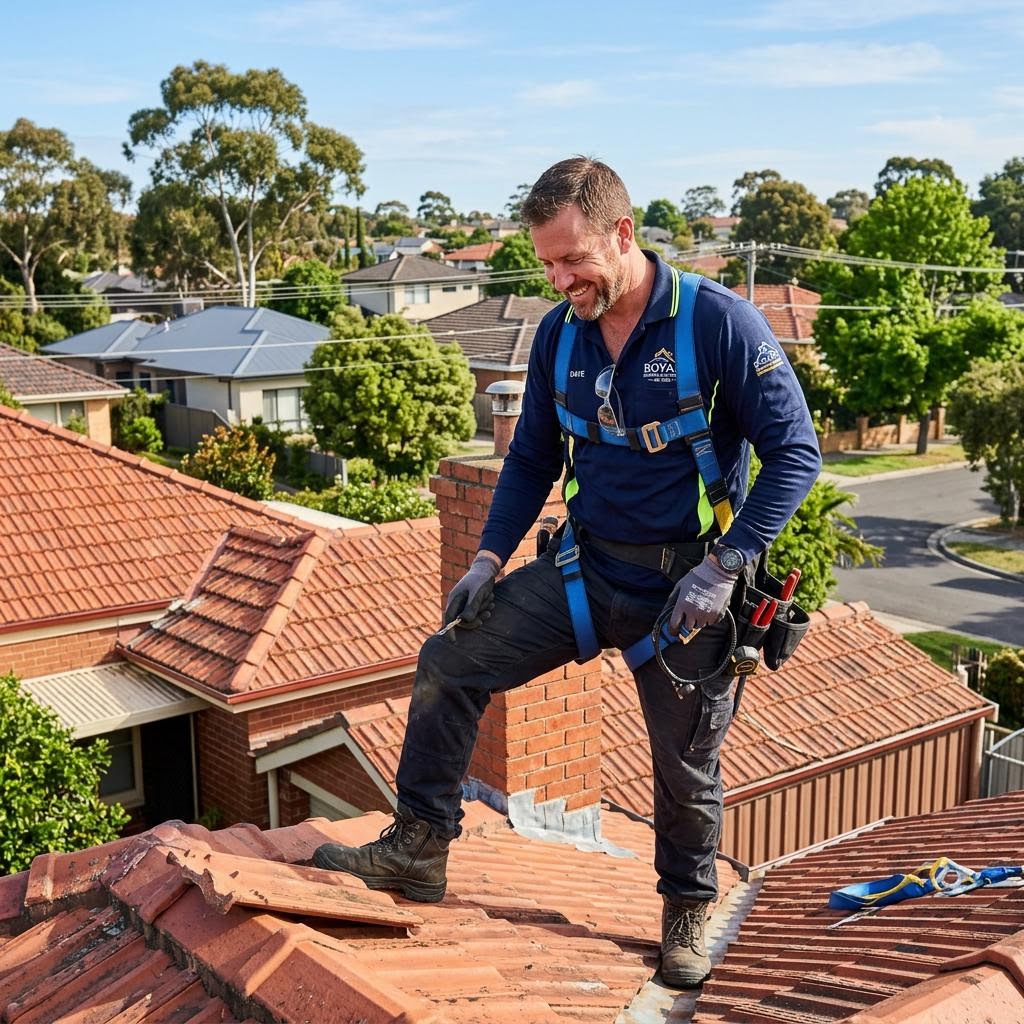
Anyone who's spent a January afternoon in Penrith knows Western Sydney runs its own weather. The basin traps heat, the westerlies bring hot dry air off the plains, and temperatures out at Penrith and Blacktown routinely sit several degrees above what the coast is doing on the same day. Your roof is the front line in all of that. It absorbs the sun's energy all day and then decides how much of that heat ends up in your living room.
We work across the west from Parramatta out to Penrith, and the same conversation comes up again and again: the house is unbearable upstairs by mid-afternoon, and the air conditioner never seems to catch up. A lot of that comes down to what's happening above the ceiling. This guide covers how heat behaves in a Western Sydney roof and the practical things that actually make a difference.
Why the Heat Feels Worse Out West
It isn't your imagination. Away from the moderating effect of the sea breeze, suburbs like Fairfield, Merrylands and Auburn heat up faster and hold that heat longer into the evening. A dark-coloured roof soaking up sun all day can reach surface temperatures far higher than the air around it, and that heat radiates down through the roof space. If that space is poorly ventilated and lightly insulated, the ceiling below becomes a giant radiant panel warming the rooms all night.
This is why two identical-looking homes on the same Blacktown street can feel completely different inside. The difference is usually in the roof: colour, insulation, ventilation and how well the whole system sheds heat rather than storing it.
Ventilation Does the Heavy Lifting
The most overlooked fix for a hot house in the west is roof ventilation. When hot air can't escape the roof cavity, it builds up and bakes the ceiling. Getting that air moving — letting the hot air out high and drawing cooler air in low — takes a genuine load off the rooms below and off your air conditioner. It also helps in the cooler months by reducing the trapped moisture that leads to condensation and mould in the roof space.
Ventilation isn't a magic bullet and we won't pretend it turns a west-facing brick home into a beach house. But paired with good insulation, it's one of the more cost-effective improvements you can make for summer comfort in Parramatta and surrounds.
Colour, Coatings and Material Choice
- Lighter roof colours reflect more of the sun's energy than dark ones, which can reduce the heat load entering the roof space.
- Reflective roof coatings can be applied during a restoration to lift a tired roof's heat performance as well as its appearance.
- Insulation matters as much as the roof itself — a reflective sarking layer and adequate ceiling insulation slow the heat coming down.
- Metal roofs shed heat quickly once the sun drops, while tiles hold warmth longer, which affects how the house feels into the evening.
- Sealing gaps and penetrations keeps conditioned air in and hot roof-cavity air out of your living spaces.
Heat's Long-Term Toll on the Roof Itself
Beyond comfort, the constant thermal cycling out west takes a toll on the roof structure. Materials expand in the heat of the day and contract as things cool overnight, and that repeated movement works fasteners loose, opens up sealant joints and stresses old flashings over the years. On tiled roofs around Merrylands and Auburn we often see brittle, sun-baked pointing that's cracked and started letting go of the ridge caps. Sun degrades exposed sealants and older membrane too, so the summer that makes your house hot is quietly ageing the roof at the same time.
That's why heat-management and maintenance go hand in hand. Fixing failed pointing or perished sealant before the next storm arrives protects you from leaks, and improving ventilation and reflectivity at the same time makes the home more liveable. It's sensible to tackle both together rather than as separate jobs.
Storms Follow the Heat
The other side of a Western Sydney summer is the storm season that comes with it. Hot, humid afternoons build into the kind of violent thunderstorms that roll across the plains, often bringing hail, driving rain and sharp wind gusts. Suburbs like Blacktown, Fairfield and Auburn cop their share, and a roof that's already been weakened by months of thermal stress is exactly the one most likely to fail when a storm hits. Cracked pointing that was holding on lets go, a marginal flashing lifts, and hail can dent metal or crack older, brittle tiles.
This is why we push maintenance ahead of storm season rather than after it. Once a storm has driven water into your roof space, the damage isn't limited to the roof — you're then dealing with soaked insulation, stained ceilings and the risk of mould. Getting failed pointing, loose fixings and tired flashings sorted while the weather is fine is far cheaper and less stressful than scrambling for a repair with a tarp over the roof and water in the ceiling. A roof that's in good order handles a Western Sydney storm the way it's meant to.
Where to Start
If your upstairs rooms are unbearable in summer, the answer is rarely a single product — it's understanding how your particular roof gains and traps heat, and how well it's holding up to the storm-and-heat cycle out west. We offer a free, no-obligation inspection across Western Sydney, from Parramatta out to Penrith, and will give you a straight assessment of your ventilation, insulation and roof condition, then explain what will realistically help and what won't. No scare tactics, no pushing gear you don't need. Call us on 0416 689 689 to arrange a look.