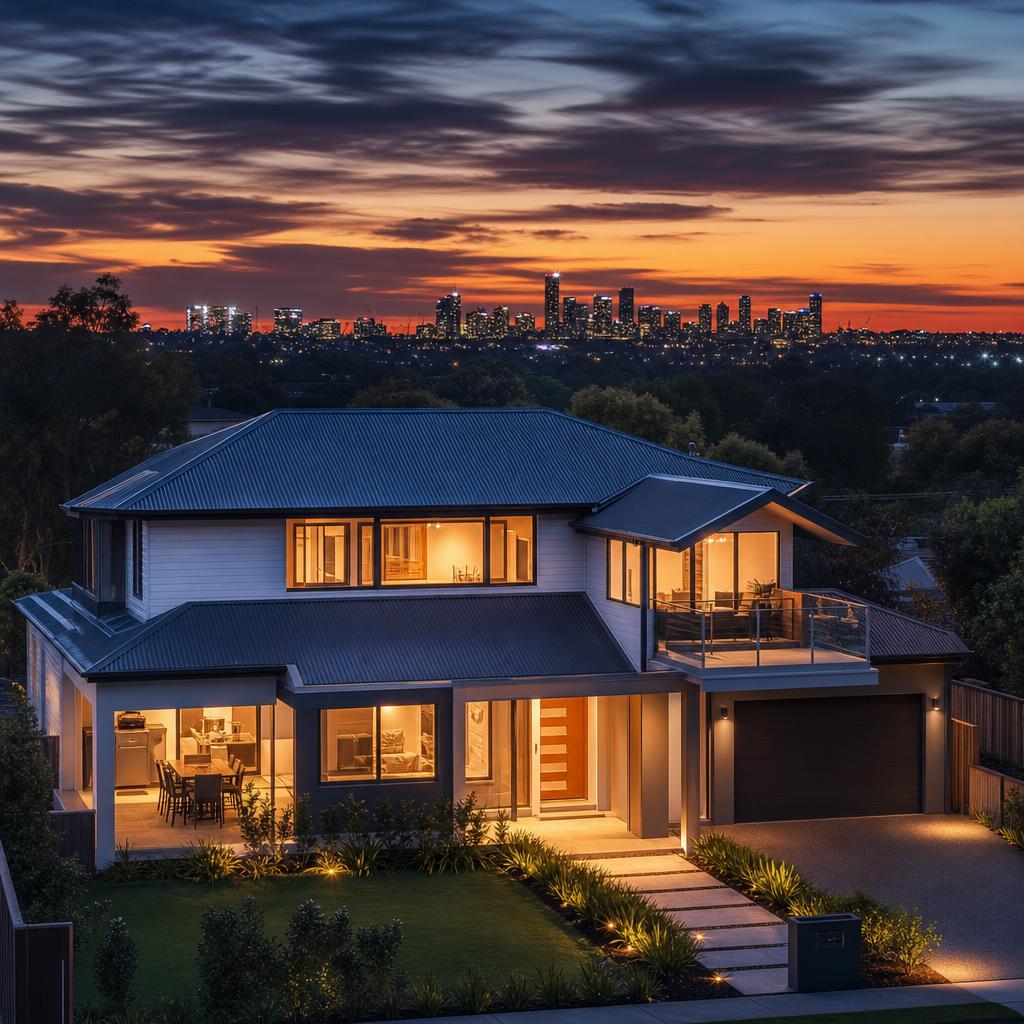
The Hills District is one of the more varied patches of Sydney when it comes to roofs. Drive from a leafy, established street in Castle Hill out to the new estates around Rouse Hill and Kellyville, then keep going to the older houses of Windsor, and you'll pass roofs spanning a century of building styles and standards. Each era comes with its own quirks, its own failure points and its own sensible approach to maintenance.
We work across the whole district, and the biggest mistake we see owners make is assuming a newer home means a worry-free roof, or that an older one is automatically due for replacement. Neither is true. This guide runs through what to expect from Hills roofs of different ages and what actually deserves your attention.
New Estates: Newer Doesn't Mean Faultless
The estates around Rouse Hill and Kellyville went up quickly during a big building boom, and while most are perfectly sound, fast construction doesn't always mean flawless detailing. On newer homes we're often called out for things like under-driven or missing roof screws, ridge capping that wasn't bedded properly, flashings that were rushed at junctions, and valleys that don't sit quite right. These aren't signs of a bad roof so much as finishing details that slipped through during a busy build.
The good news is these issues are usually straightforward to put right if they're caught before they cause water damage. If you've bought into a newer Kellyville or Rouse Hill estate, it's well worth having the roof looked over rather than assuming the builder's work was watertight everywhere.
Established Homes: Bedding, Pointing and Flashings
The established homes of Castle Hill and Baulkham Hills tell a different story. Many are decades-old brick-and-tile houses where the tiles themselves are still doing their job, but the mortar bedding under the ridge caps and the pointing over it have aged out. Sydney's hot summers and cool nights work that old mortar until it cracks, and once it does the ridge caps loosen and water finds its way in. Flashings around chimneys, skylights and wall junctions on these homes are often the original items and well past their best.
For a lot of these Baulkham Hills and Castle Hill homes, a re-bed and re-point plus attention to the flashings restores the roof to sound condition without the cost of a full replacement. It's the kind of job where an honest inspection saves you money, because the surface you're worried about is frequently the part that's fine.
Older and Heritage Homes Around Windsor
Head out to Windsor and you're into some genuinely old housing stock, including homes with real heritage character. Older roofs here may have had multiple repairs over the decades, mixed materials, and details that don't match modern practice. They reward a careful, sympathetic approach rather than a rip-and-replace mindset. Sometimes the right move is sensitive repair to keep the character intact; other times the roof has genuinely reached the end and replacement is the honest recommendation.
One thing worth flagging on older Windsor homes is the mix of materials that tends to accumulate over a long life. A tiled roof might have had sections patched with mismatched tiles, flashings replaced piecemeal in different metals, and old lead work around chimneys that's well past its prime. That patchwork can work fine for years, but it also means there's rarely a single simple answer — the roof has to be assessed as the sum of its parts, with an eye to what's compatible and what's quietly setting up a future leak.
What to Keep an Eye On, Whatever the Age
- Cracked or crumbling ridge pointing and caps that look uneven from the street — common on established Castle Hill and Baulkham Hills homes.
- Loose, under-driven or missing screws on metal roofs in newer Rouse Hill and Kellyville estates.
- Rushed or lifted flashings at chimneys, skylights and wall junctions.
- Gutters overflowing or sitting at the wrong fall, which drives water back under the eaves.
- Ceiling stains, blistered paint or a musty smell inside that point to water getting into the roof space.
- Debris and moss build-up in valleys and gutters holding moisture against the roof.
Buying or Selling in the Hills
The Hills sees plenty of homes change hands, and a roof is one of the more expensive things to get wrong when you buy. For buyers looking at established homes in Castle Hill or Baulkham Hills, it's worth knowing whether that tiled roof needs nothing more than a re-point or whether it's genuinely near the end. For buyers of newer Rouse Hill and Kellyville homes, a check catches the finishing faults that a standard building inspection can miss from the ground. And for sellers, sorting obvious roof issues before listing removes an easy bargaining chip from prospective buyers and presents the home at its best.
In every case the value is the same: knowing the real condition of the roof rather than guessing. A roof can look tidy from the street and still have cracked pointing, lifted flashings or rusting fasteners that only show up when someone gets up there. An honest inspection turns a big unknown into a clear picture, which is exactly what you want whether you're about to spend money on a home or hand one over.
Matching the Fix to the Home
The point across all of this is that a Hills District roof deserves an assessment that respects its age and construction rather than a one-size-fits-all sales pitch. A newer Kellyville home might just need a few finishing faults corrected; a Castle Hill classic might need a re-point; a Windsor home might need careful, tailored work. We offer a free, no-obligation inspection across the Hills, from Rouse Hill through to Windsor, and will tell you honestly which camp your roof is in and what it genuinely needs. Call us on 0416 689 689 to book a look.