Ask most people when they last did anything to their roof and you'll get a slightly sheepish shrug. That's completely normal — a roof is out of sight, and as long as the ceiling stays dry it's easy to assume everything above it is fine. The catch is that the roofs which end up needing major work are almost never the ones that failed suddenly. They're the ones where small maintenance jobs got skipped for years until the little problems added up into a big one.
The encouraging part is that the mistakes are predictable, and avoiding them doesn't take much. This guide runs through the maintenance slip-ups we see most often on the roofs we visit. None of them feel like a big deal at the time, which is exactly why they're so common — and why catching them early keeps a roof healthy for years longer than it would otherwise last.
Mistake One: Ignoring the Gutters
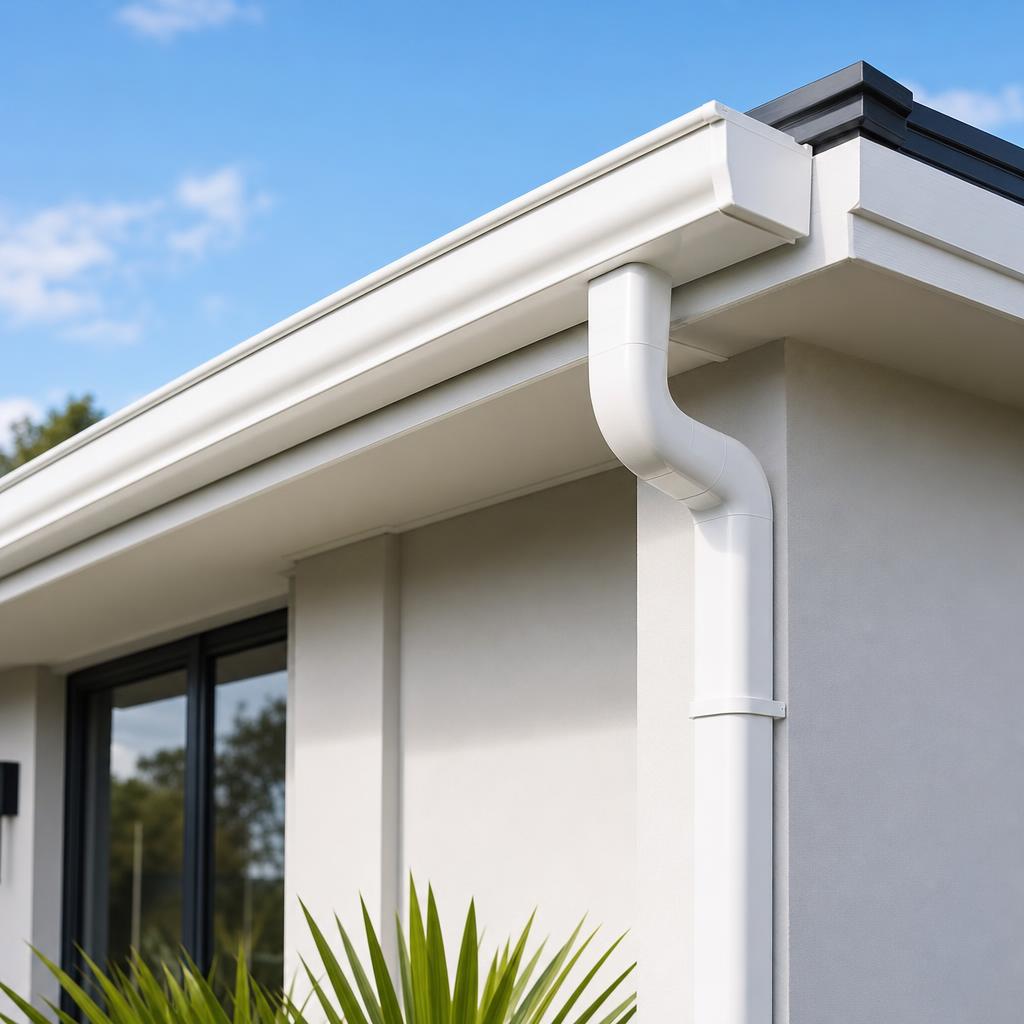
Gutters are the maintenance job everyone knows they should do and most people put off. Leaves, twigs and grit build up over the seasons until water can no longer flow the way it's meant to. When that happens, rain backs up in the gutter, spills over the edge, and — more damagingly — can be forced back up under the roofline where it soaks into fascia boards and finds its way into the roof cavity.
A blocked gutter doesn't just cause an overflow you can see. It quietly rots the timber behind it, corrodes the gutter itself from the standing water sitting in it, and in a heavy downpour sends water exactly where the roof was designed to keep it out. Clearing gutters regularly — and more often if you've got overhanging trees — is one of the highest-value maintenance jobs there is. It's also one of the most common causes of DIY injuries at height, which is why plenty of homeowners are glad to have it handled while a professional is up there anyway.
Mistake Two: Skipping Inspections Entirely
The most expensive roof problems are almost always the ones nobody knew about. A cracked tile, a lifting flashing, a bit of pointing that's come loose — none of these announce themselves. They sit up there doing quiet damage, and the first sign a homeowner gets is often a stain on the ceiling, by which point water has already been in the cavity for a while.
A periodic professional inspection is the antidote to all of that. It catches the small faults while they're still small and cheap, before they've had a chance to let water in or spread. Think of it the way you'd think of a car service — a modest, regular check that heads off the big, unexpected bill. It's especially worth doing after any severe storm, before buying or selling a property, and once a roof starts getting on in years.
Mistake Three: Painting Over Rust
When rust starts showing on a metal roof, gutter or flashing, the instinct is to grab a tin of paint and cover it up. It looks better straight away, and it feels like the problem's been dealt with. Unfortunately, paint over active rust is one of the classic false economies. Rust doesn't stop because it's been hidden — it keeps working away underneath the fresh colour, eating into the metal until the section fails completely.
Dealing with rust properly means treating or removing the affected metal, not just concealing it. Caught early, a small patch of surface rust is a manageable job. Left to spread under a coat of paint, it can turn into a corroded section that has to be cut out and replaced. A professional can tell the difference between rust that's superficial and rust that's structural — and that distinction is the whole ballgame when it comes to a metal roof's lifespan.
Mistake Four: Blocking the Roof's Ventilation
A roof cavity needs to breathe. Ventilation lets heat and moisture escape rather than building up in the space above your ceiling, and a lot of roofs rely on vents and gaps that are easy to unknowingly block. Extra insulation stuffed into the wrong spot, a whirlybird that's seized up, or a well-meant repair that sealed a gap it shouldn't have — any of these can trap warm, damp air where it does harm.
The result is a cavity that stays hot and humid, which encourages condensation, mould and the slow deterioration of timber and insulation. Because it all happens out of sight, it's easy to create a ventilation problem while trying to solve something else entirely. Good roof maintenance keeps airflow in mind, and a professional will notice when a cavity isn't breathing the way it should — long before that shows up as a musty smell or a mould stain inside the house.
Mistake Five: Letting Branches Rub the Roof
A tree hanging over the house is lovely for shade and terrible for the roof. Overhanging branches drop a constant supply of leaves into the gutters, but the bigger problem is the branches that actually touch the roof. Every time the wind blows, they drag back and forth across the tiles or sheeting, slowly scouring away the protective surface and, over time, cracking tiles or wearing through coatings.
There's also the obvious risk in a storm, when a limb that's been rubbing gently for years comes down hard and does real damage in a single gust. Keeping branches trimmed well back from the roof is simple, cheap maintenance that prevents a whole category of slow wear and sudden damage. It's easy to overlook because the harm happens gradually, but a roof that's had a branch grinding on it for a decade tells the story clearly once you're up close.
Mistake Six: Leaving Debris to Sit on the Roof
It's easy to forget that the roof surface itself collects mess, not just the gutters. Leaves, twigs, seed pods and general debris gather in valleys, behind chimneys and along the low points of the roof, and they don't simply blow away. Left there, they hold moisture against the roof surface long after the rain has stopped, which is exactly the condition that encourages moss, lichen and the slow breakdown of tiles and coatings. A damp mat of leaves sitting in a valley can also block the flow of water and force it to pool or back up under the laps.
Moss and lichen aren't just a cosmetic nuisance either. As they take hold they lift and separate tiles, hold even more moisture, and gradually work their way into gaps that were sealed against the weather. Clearing debris from the roof surface — safely, and with an eye for what it's already done underneath — is part of proper maintenance that a lot of homeowners never think about because they only ever look at the gutters. It's another of those small, out-of-sight jobs that quietly decides how long a roof lasts.
The Mistake of Assuming No News Is Good News
Underneath all of these is a broader habit worth naming: assuming that because nothing is obviously wrong, nothing needs doing. A roof is the most exposed part of your home, taking the full force of the sun, wind and rain every single day, and it deteriorates whether or not anything dramatic has happened. Waiting for a visible problem before giving the roof any attention means, by definition, waiting until the deterioration has already progressed far enough to show itself.
The homeowners whose roofs last the longest are the ones who treat maintenance as routine rather than reactive — a small, regular cost that keeps the roof in good order, rather than a large, unexpected one that lands when something finally fails. A dry ceiling today tells you very little about the state of the flashings, the pointing or the timber in the cavity. Those are the things that quietly decide how many more years your roof has in it, and they're precisely the things a professional is trained to read while there's still time to act cheaply.
The Thread That Ties Them All Together
Every one of these mistakes has the same shape: a small thing left unattended that quietly grows into a large one. None of them looks urgent on any given day, which is precisely why they get put off. A sensible maintenance rhythm heads off all of them at once.
- Clear the gutters and downpipes at least a couple of times a year, and more often under trees.
- Have the roof inspected periodically, and always after a major storm.
- Deal with rust properly rather than painting over it, while it's still a small patch.
- Keep an eye on ventilation so the cavity stays dry and breathing.
- Trim branches back before they can rub, drop debris or come down in a storm.
None of that is dramatic, and that's the point. Roof maintenance isn't about big, expensive jobs — it's about small, regular attention that stops the big jobs ever becoming necessary.
Let Us Take a Look Before Small Turns Into Big
If you can't remember the last time anyone actually looked at your roof, that's the honest sign it's due. Most of the maintenance mistakes above are invisible from the ground and easy to miss until they've done their damage. A proper inspection puts your mind at rest either way — you'll either get the all-clear, or you'll catch a small problem while it's still small and cheap to sort.
We offer a free, no-obligation roof inspection with an honest, written rundown of what shape your roof is really in. There's no pressure to book anything on the back of it — if your roof's fine, we'll tell you so. Give us a call on 0416 689 689 and we'll come and give it a proper going-over.