The North Shore is one of the greenest parts of Sydney, and that's exactly why people love it. Mature gums and established gardens shade the streets from Mosman up through Chatswood to the leafy blocks of St Ives and Hornsby. It's gorgeous to live in — but all that tree cover means the roofs up here deal with more leaf litter, shade and moisture than almost anywhere else in the city. If you own a home on the North Shore, most of your roofing headaches will trace back, one way or another, to the trees.
The good news is that these are manageable problems if you understand them. Here's how leaf litter, shade and moss play out on North Shore roofs, and the practical steps that keep them from turning into leaks and rot.
Leaf Litter: The Number One Enemy of North Shore Gutters
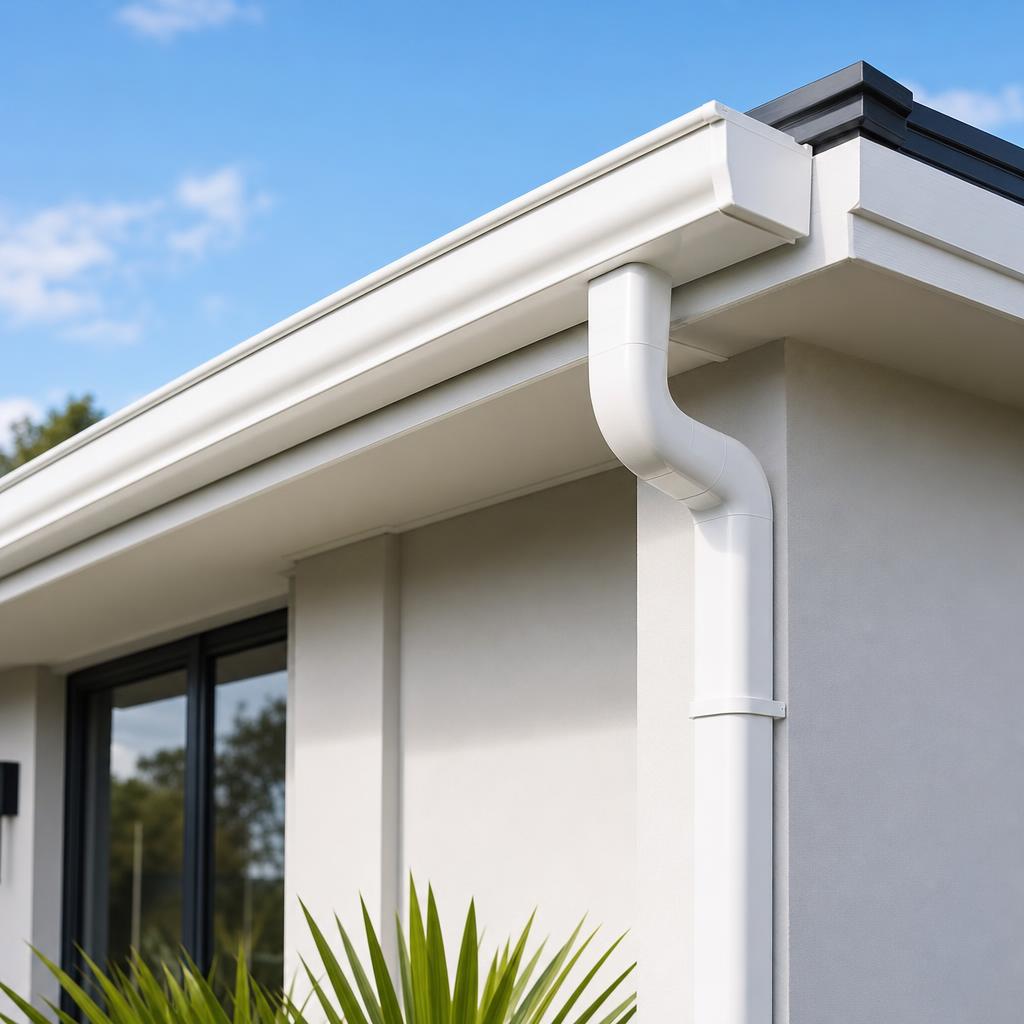
Gutters have one job: get water off the roof and away from the house. On the North Shore, they spend half their lives choked with leaves, bark, twigs and gum nuts. Established suburbs like Lane Cove, Chatswood and Hornsby are surrounded by big eucalypts that shed constantly, and all that material ends up in your gutters and downpipes. Once a gutter blocks, water has nowhere to go — it overflows over the edge, or worse, backs up under the roof edge and into the eaves, fascia and ceiling.
- Blocked gutters overflowing and rotting timber fascia and eaves
- Water backing up under roof edges and into the ceiling cavity
- Downpipes clogging so the whole drainage system stops working in heavy rain
- Decomposing leaf litter holding constant moisture against gutter metal, causing rust
- Gum nuts and bark blocking valley outlets and box gutters
- Fire risk from dry litter accumulating in gutters over summer
For heavily treed properties, gutter guard is genuinely worth considering. It won't make gutters completely maintenance-free, but it dramatically cuts how often they choke and how much material gets in. Either way, regular gutter clearing is non-negotiable on the North Shore — it's the single most important bit of roof maintenance up here.
Shade and Moisture: Why Roofs Stay Damp
All that lovely tree canopy also blocks the sun. A roof that spends most of the day in shade never really dries out, and a permanently damp roof is a happy home for moss and lichen. On south-facing and heavily shaded pitches in suburbs like St Ives and Lane Cove, you'll often see thick green growth that just doesn't shift on its own because the sun never hits it long enough to dry things out.
That constant dampness does more than look untidy. It holds moisture against the tiles, speeds up their weathering, and the moss itself can lift tile edges and wash into gutters. Overhanging branches make it worse by dropping shade and debris and, in a storm, risking damage to the tiles directly.
Moss on Shaded North Shore Roofs
Because so many North Shore roofs sit in permanent shade, moss and lichen are a recurring theme up here. A light coating is cosmetic, but thick, spongy moss holds water against the tiles and clogs gutters and valleys with green debris. On the shaded roofs of Mosman and St Ives we regularly see growth thick enough that it genuinely needs treating, not just for looks but to stop it accelerating tile decay and blocking drainage.
The key is cleaning it properly — using controlled pressure and a treatment that kills the growth at the root, rather than blasting the roof with a high-pressure washer that strips the tile coating and forces water inside. Trimming back overhanging branches where practical also lets more sun onto the roof, which naturally slows the moss down.
What Overhanging Branches Do Beyond Dropping Leaves
Leaf litter is the obvious problem, but branches hanging directly over the roof cause trouble in their own right. In a storm — and the North Shore cops its share of southerly busters and summer thunderstorms — limbs whip against the tiles and can crack them or dislodge ridge capping. Even in calm weather, a branch resting on or scraping across a roof slowly wears at the tile surface and its coating. On the big established blocks around Mosman and St Ives, mature gums often tower right over the house, and it only takes one decent limb coming down to do real damage to both the roof and the gutters.
Where it's safe and practical, keeping branches trimmed back off the roofline solves several problems at once: less litter in the gutters, more sun to dry the tiles and slow moss, and far less risk of storm damage. It's worth getting a qualified arborist involved for anything substantial rather than tackling large limbs yourself.
Why Drainage Matters More Than Anywhere Else
The through-line for every North Shore roof issue is water that can't get away fast enough. Blocked gutters, clogged valleys, choked downpipes and slow-drying shaded pitches all come back to drainage and dampness. When the drainage system is working, rain hits the roof, runs to the gutters, down the pipes and away from the house in seconds. When it's blocked with a season's worth of gum leaves and bark, that water pools, backs up and finds its way into timber and ceilings. In suburbs as heavily treed as Chatswood, Lane Cove and Hornsby, staying on top of drainage isn't optional maintenance — it's the whole game.
A Maintenance Routine That Suits Leafy Suburbs
If you take one thing away, let it be this: on the North Shore, drainage and dampness are everything. Keep gutters, downpipes and valleys clear — more often than you would in a treeless suburb — consider gutter guard on heavily treed blocks, keep an eye on shaded pitches for thickening moss, and trim branches back off the roof where you safely can. Get those basics right and most North Shore roof problems never get the chance to start.
Whether you're in North Sydney, Chatswood, Hornsby or anywhere in between, we're happy to take a look. Call us on 0416 689 689 for a free, no-obligation inspection and we'll give you an honest assessment of your gutters, drainage and roof and what the trees have been doing to them.