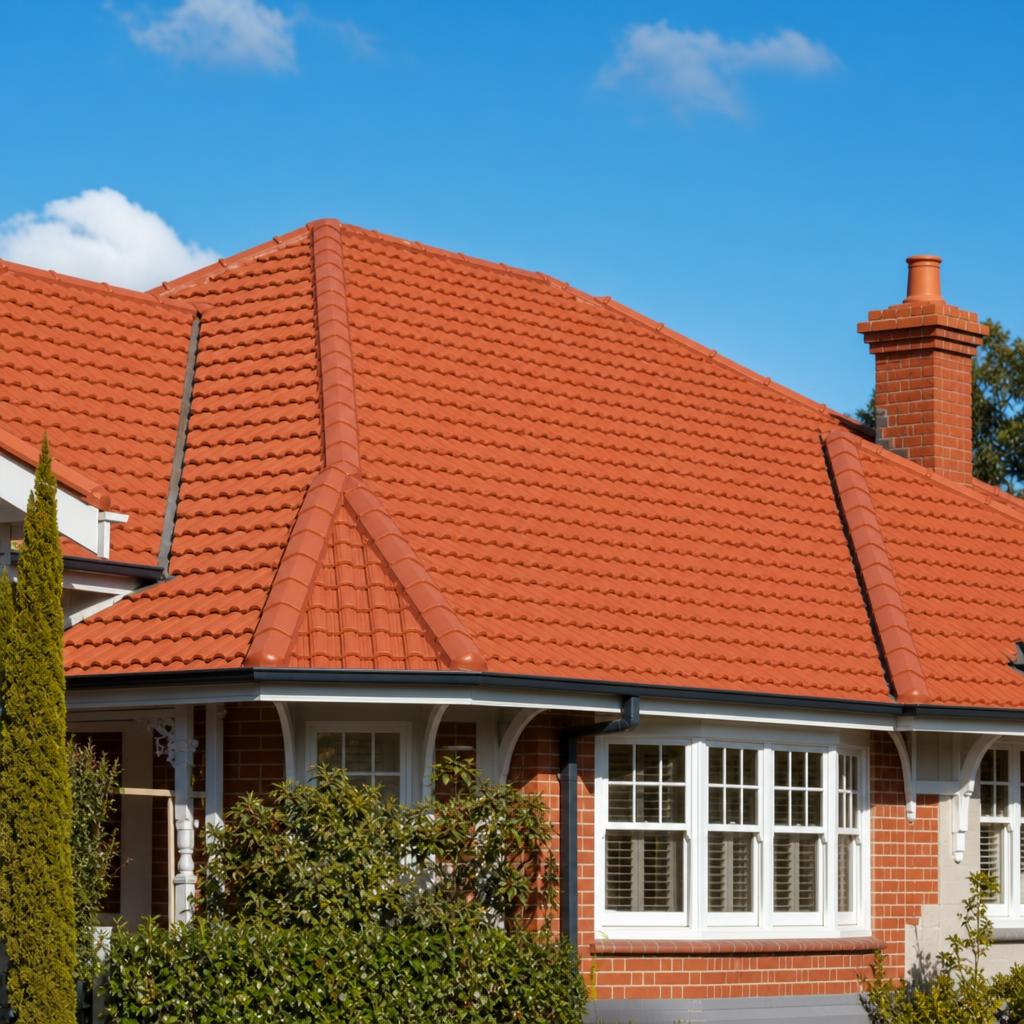
Drive around any older, leafy pocket of Sydney and you'll spot roofs wearing a coat of green and grey — moss along the shaded pitches, crusty lichen freckling the tiles, and dark streaks running down towards the gutters. It's incredibly common in our climate, and most homeowners assume it's purely a cosmetic thing. Sometimes it is. But moss and lichen can also quietly shorten the life of a tiled roof, and the way you clean them off matters just as much as whether you do it at all.
This is a topic where a lot of bad advice floats around, so let's keep it plain. Here's what these growths actually are, when they're worth worrying about, and how a roof clean should be done so you don't cause more damage than the moss ever would.
Why Roofs Grow Moss and Lichen in the First Place
Moss and lichen need moisture and low light to thrive, which is exactly what the southern and shaded faces of a roof provide — especially on blocks with mature trees nearby. Spores drift onto the roof, settle into the slightly porous surface of concrete or terracotta tiles, and take hold. Sydney's humid summers and damp, cool winters give them plenty to work with. North-facing pitches that dry out quickly in the sun usually stay clearer, while the shaded, tree-covered sides go green first.
Lichen is the tougher customer of the two. It bonds hard to the tile surface and sends structures into any tiny pores, which is why it leaves marks even after cleaning. Moss is softer and holds water like a sponge, which is where the real problems start.
When It's Just Cosmetic — and When It Isn't
A light dusting of lichen on an otherwise sound roof is mostly a looks issue. It won't do much harm in the short term, and you could reasonably leave it. The trouble starts when growth gets thick and established, because that changes how water behaves on your roof.
- Thick moss holds moisture against the tiles, keeping them damp long after rain and accelerating surface breakdown
- Clumps of moss break loose and wash into gutters and downpipes, causing blockages and overflow
- Moss can lift and creep under the edges of tiles, encouraging water to track sideways instead of running off
- Constant dampness on the shaded side speeds up the porosity and brittleness of older tiles
- Growth in valleys and behind ridge capping traps debris and holds water where you least want it
So the honest test is thickness and location. A bit of colour change on the tiles is fine to monitor. Spongy moss clumps, blocked gutters full of green material, or growth choking your valleys — that's when cleaning stops being cosmetic and starts being maintenance.
The Right Way to Clean a Roof
This is where people get into strife. The instinct is to grab a pressure washer and blast the roof clean, and while pressure washing has its place, in the wrong hands it does real damage. Too much pressure strips the protective surface coating off tiles, forces water up under them and into the roof cavity, and can crack older, brittle tiles outright. On a coated or restored roof, an aggressive blast can take the finish clean off.
Done properly, roof cleaning is a controlled process: assess the tile condition first, use appropriate pressure for the surface, apply a treatment to kill off the moss and lichen at the root rather than just knocking the top off, and clear the gutters of everything that comes down. On a roof that's due for it anyway, cleaning is often the first step of a full restoration — clean, repair, re-point and recoat.
Does Cleaning the Roof Actually Prevent Regrowth?
A fair question, and the honest answer is: cleaning buys you time, not permanent immunity. If your roof grows moss because it sits in shade and stays damp, those conditions don't change just because you've cleaned it. The spores are still in the air, and the shaded pitch will still dry slowly. What a proper clean does is reset the clock — strip off the established growth, kill it at the root, and give you a fresh surface that takes far longer to re-colonise than a roof left to build up years of thick moss.
You can slow the return in a few practical ways. Trimming back overhanging branches lets more sun onto the roof so it dries faster. Keeping gutters and valleys clear stops organic debris from feeding new growth. And on an older roof, recoating the tiles as part of a restoration gives a smoother, less porous surface that's harder for spores to take hold on in the first place. None of it is magic, but together it stretches the interval between cleans considerably.
The Link Between Moss and Blocked Gutters
One thing people underestimate is how much moss ends up in the gutters. As clumps loosen and rain washes them down the pitch, they collect in the gutters and valleys along with leaf litter. Once that mix packs down, it holds moisture against the metal, encourages rust, and blocks the flow so water backs up under the roof edge in heavy rain. So a mossy roof isn't just a roof problem — it quietly becomes a drainage problem too. When we clean a roof, clearing everything that comes down out of the gutters and downpipes is part of the job, not an optional extra.
Should You DIY It?
We're not going to pretend you can't do anything yourself. Clearing moss out of your gutters from a stable ladder is reasonable maintenance for a confident, careful homeowner. But getting up onto a tiled roof to clean it is genuinely risky — tiled roofs are slippery, unforgiving, and easy to crack underfoot, and the fall risk is real. Add moss, which is like walking on wet soap, and it's a job better left to someone with the gear and the footing to do it safely.
If your roof is going green and you're not sure whether it needs a clean or a full restoration, call us on 0416 689 689 for a free, no-obligation inspection. We'll take a look, tell you honestly whether the growth is doing damage, and lay out your options without any pressure.