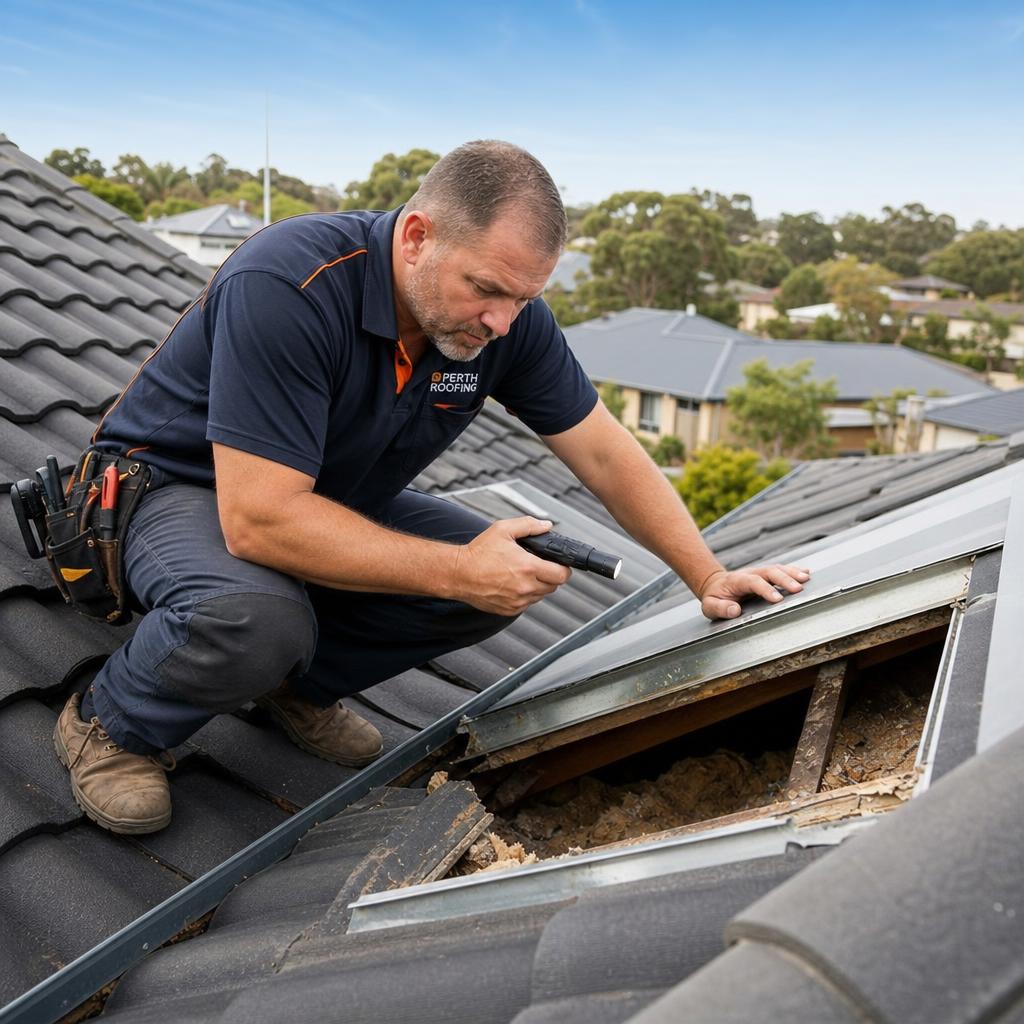
Finding a leak is an unsettling moment. There's a stain spreading on the ceiling, or a drip landing in a spot that was dry yesterday, and the immediate reaction is a mix of worry and a strong urge to make it stop. That urge is completely understandable — but it's also where a lot of people make the situation worse. How you respond in the first hours and days after spotting a leak has a big effect on how much damage the water ends up doing.
We get called out to leaks at every stage — some caught early, some that have been quietly soaking a roof cavity for months. The difference in the size of the job is enormous, and it usually comes down to what the homeowner did, or didn't do, after they first noticed something was wrong. This article walks through the most common mistakes people make after a leak, and what to do instead so a small problem stays small.
Mistake One: Waiting for It to 'Dry Out'
This is the big one, and it's completely human. The rain stops, the drip stops, the stain stops spreading, and it's tempting to conclude the problem has sorted itself out. It hasn't. The leak didn't go away — it just stopped raining. The fault in the roof is still there, waiting for the next downpour, and every time it rains more water goes into the cavity.
What's really happening between rain events is that the water already in the roof space is soaking into timber, insulation and plaster. A leak that gets 'waited out' repeatedly is a leak that's slowly rotting battens, ruining insulation and growing mould where you can't see it. By the time the damage becomes impossible to ignore, the repair is far bigger than it would have been if the fault had been traced and fixed after the first sign. A leak doesn't dry out — it just bides its time.
Mistake Two: Patching It From Inside
When water's coming through the ceiling, it feels logical to fix it at the ceiling — a bit of filler, a patch of plaster, maybe a fresh coat of paint over the stain. The problem is that the leak isn't in your ceiling. The ceiling is just where the water happens to be arriving. The actual fault is up on the roof, and water rarely enters directly above where it drips. It travels along battens and rafters, sometimes a fair distance, before it finds the easiest path down.
Patching the inside does nothing to stop water entering the roof, so all it achieves is hiding the evidence while the damage carries on above. Worse, a freshly patched ceiling can mask a leak for long enough that the next sign you get is the plasterboard sagging or letting go entirely. The fix has to happen on the roof, at the source — and finding that source is a job in itself, because it's so often nowhere near where the drip appears.
Mistake Three: Ignoring the Stains
A faint brown ring on the ceiling is easy to talk yourself out of worrying about, especially if it doesn't seem to be getting bigger. But a stain is never nothing — it's physical proof that water has been in your roof cavity. Even a small, stable-looking mark means moisture has reached the point of soaking through the plaster, and that only happens after it's already been sitting above for a while.
Treating a stain as a cosmetic issue to paint over later is one of the ways minor leaks become major ones. The right response to any stain — however small, however old it looks — is to treat it as a signal to get the roof checked, not just the patch of ceiling directly beneath it. The stain is telling you where the water arrived, not where it got in, and only a proper look up top will reveal the real story.
Mistake Four: Not Making a Make-Safe Call in a Storm
During or straight after a storm, a leak can go from a drip to a genuine emergency fast — a lifted section of roof, water pouring in, ceilings at risk of coming down. In that situation, the mistake is trying to tough it out or climbing up to have a go yourself in dangerous conditions. A wet, wind-battered roof is one of the most dangerous places you can be, and it's exactly when a fall is most likely.
This is what an emergency make-safe call is for. A make-safe visit puts a temporary cover — usually a tarp — over the exposed section to stop the water while conditions are too dangerous or too wet for a permanent repair. It buys time, protects everything underneath, and keeps you off the roof in the worst possible weather. Not knowing this option exists, and instead placing buckets and hoping, is how a storm leak causes hours of avoidable damage. If water is actively pouring in during a storm, that's the moment to pick up the phone, not the ladder.
Mistake Five: Overloading a Bulging Ceiling
When water pools above a plasterboard ceiling, the sheet can start to bulge or sag as it takes on weight it was never meant to hold. The mistake here is a subtle one: people often leave a bulging ceiling alone, or worse, poke and prod at it while a good deal of water is sitting behind it. A saturated ceiling that lets go all at once brings the water, the plaster and anything sitting in the cavity down in a single mess — and if anyone's standing underneath, it's genuinely dangerous.
If you can see a ceiling sagging or bulging, keep people clear of the area and treat it as urgent. A controlled release of the trapped water by someone who knows what they're doing is far safer than waiting for gravity to decide the moment, and it limits the damage to a manageable patch rather than a whole ceiling. It's another situation where the safe move is to get a professional involved quickly rather than improvising underneath a load of water you can't see the size of.
Mistake Six: Leaving It Off the Insurer's Radar
There's one more mistake that catches people out well after the water has stopped, and it's a timing one. Many home insurance policies draw a line between sudden, identifiable events — like storm damage — and gradual deterioration that's been left unattended. A leak that's ignored for months and only reported once it's become a big problem can sometimes be treated as a maintenance issue rather than an insurable event, which can leave you covering the whole cost yourself.
That's not a reason to panic, but it is a reason to act promptly and keep a record. Photograph the damage as soon as it's safe, note the date and any storm that might be connected, and get a proper assessment sooner rather than later. Acting quickly protects the roof, the rest of the house and, potentially, your ability to make a claim. Sitting on a leak does the opposite on every front — the damage grows, and the window for treating it as a sudden event narrows the longer it's left.
What to Do Instead — the Right First Steps
Responding well to a leak isn't complicated. It's mostly about not making it worse and getting the right eyes on it quickly.
- Move valuables and furniture clear of the drip, and put down a bucket or container to catch water.
- If it's safe, take photos of the stain, the drip and anything visible — useful later for both the roofer and any insurance claim.
- Don't climb onto a wet or storm-hit roof to investigate. It's the most dangerous time to be up there.
- For an active, serious leak in a storm, ring for an emergency make-safe rather than trying to patch it yourself.
- Book a proper inspection to trace the real source, even once the rain stops and the drip settles.
The theme running through all of it is simple: contain the water, stay safe, and get the actual fault found and fixed rather than papering over the symptom. A leak dealt with promptly and properly is usually a modest repair. A leak that's waited out, patched from inside and painted over becomes something else entirely.
When to Call a Professional Immediately
Some leaks can wait a day or two for a booked inspection; others can't. Call straight away if water is actively coming in during a storm, if a section of roof has clearly lifted or been damaged, if the ceiling is bulging or sagging, or if the water is anywhere near electrical fittings or wiring. In those situations the priority is safety and stopping further ingress, and that's a job for someone equipped to do it.
Even for a slow, undramatic leak, the sooner it's traced the smaller the repair. We offer a free, no-obligation inspection and use proper leak detection to find the real source, which — as we keep saying because it keeps being true — is often nowhere near where the drip shows up inside. If your ceiling has a stain, a drip or a leak of any size, give us a call on 0416 689 689 and we'll get to the bottom of it before it becomes the expensive kind of problem.