Storm Damage
Storm Water Damage Repairs & Internal Restoration
Stopping the leak is half the job -- putting your ceilings and interiors right is the other half.
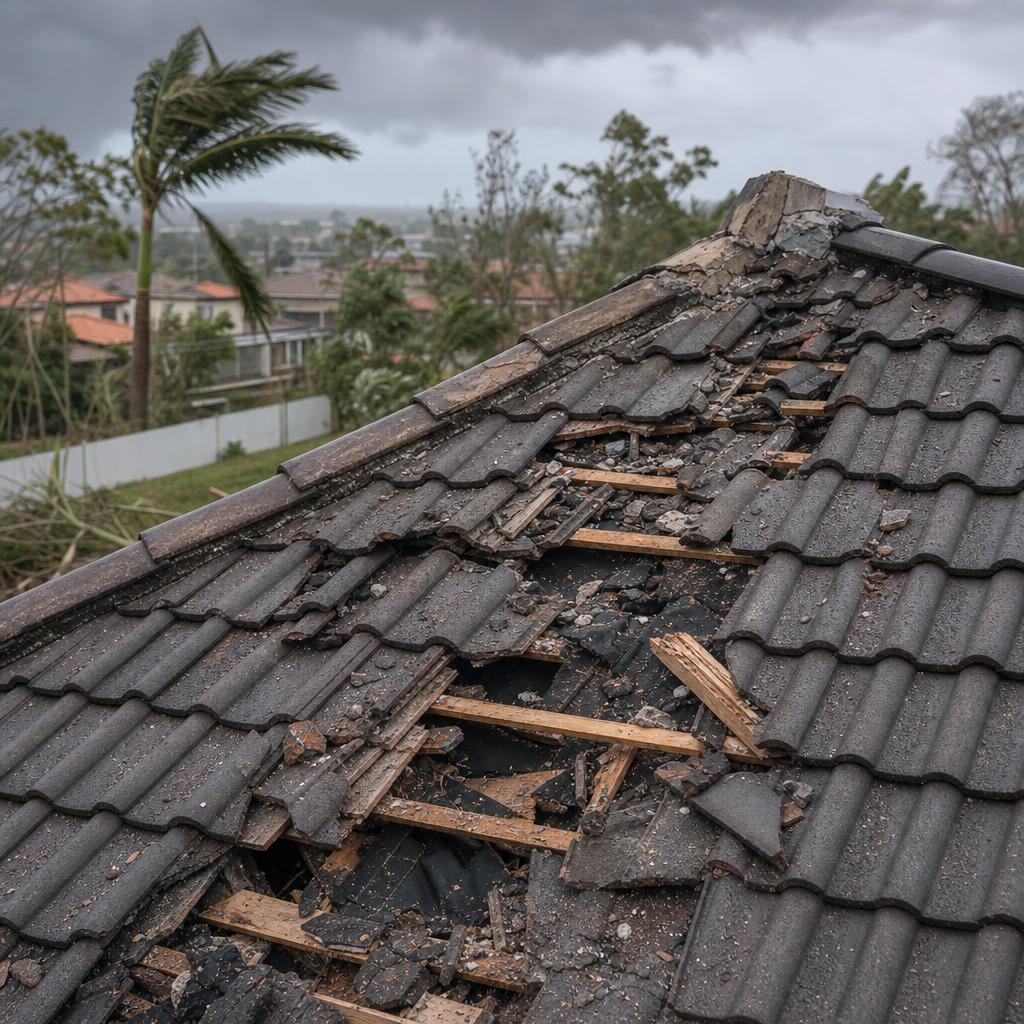
When storm water gets into a home, the visible damage is only part of the story. A stained ceiling means water has already soaked insulation, run along timbers and possibly wet electrical fittings. Dealing with storm water damage means two jobs done in the right order: find and fix the source on the roof so it stops, then dry out and repair the interior so you are not left with sagging plaster, peeling paint and the smell of damp. We handle both sides, and we are honest that the drying-out has to happen before the patching, or the repair just traps moisture in.
Finding the source, not just the stain
Water almost never enters directly above the stain. It gets in at a high point -- a cracked tile, a lifted flashing, a blocked valley -- then travels along battens, sarking and ceiling joists before it finds a low point to drip through. Chasing the stain leads to the wrong repair. We trace the path back to the true entry point, confirm it, and fix that first. Until the source is genuinely stopped, any internal repair is temporary.
Drying out before you patch
Wet plaster, insulation and timber need to dry before repairs, otherwise you seal moisture inside and invite mould and recurring stains. We assess how far the water has spread, remove saturated insulation that has lost its value and become a mould risk, and allow the cavity to dry, using ventilation or drying equipment where the volume of water justifies it. Rushing straight to a repaint over a damp ceiling is a false economy that shows through within weeks.
Repairing ceilings, cornices and paint
Once dry, we make good the internal damage: replacing water-damaged plasterboard, refixing sagging sheets, repairing cornices, and priming with a stain-blocking sealer before repainting so old water marks do not bleed through the new coat. We also replace the insulation that had to come out so your ceiling performs again in summer and winter. The aim is a room that looks like the storm never happened, with no lingering damp smell.
Watch for hidden electrical and mould risk
Water in a ceiling can wet downlights, wiring and light fittings, which is a safety issue, not just a cosmetic one. If we find wet electrical work we recommend an electrician check it before power stays on in that area. We also flag early mould so it is dealt with properly rather than painted over. We would rather raise these than leave you with a hidden hazard behind fresh paint.
What's Included
- Leak-path tracing to find the true water entry point on the roof
- Permanent repair of the roof fault causing the leak
- Removal of saturated, ineffective insulation from the ceiling cavity
- Drying of the affected cavity before any internal repair
- Replacement of water-damaged plasterboard, cornices and insulation
- Stain-blocking priming and repainting of repaired ceilings
Frequently Asked Questions
My ceiling is stained but not leaking now -- do I still need repairs?
Usually yes. A stain means water got in and the cavity above may still be damp, with wet insulation and a leak that will reopen in the next storm. Painting over the stain without fixing the roof and drying the cavity just hides it. We check the source and the cavity before recommending internal work.
Can you fix both the roof and the ceiling?
Yes, we handle the full job: stopping the leak on the roof and then repairing the internal plaster, cornices, insulation and paint. Doing both under one roofer means the interior repair only happens once the leak is genuinely fixed, so you are not paying to patch a ceiling that is about to get wet again.
Is there a mould risk from storm water in the ceiling?
There can be, especially if wet insulation and plaster are left to sit. Mould needs moisture and time, which is why drying the cavity promptly matters. If we find active mould we deal with it properly rather than paint over it. Acting quickly after the storm is the best way to avoid it taking hold.
Will my insurance cover the internal damage too?
Storm water damage to ceilings, insulation and paint is commonly covered when the entry was caused by storm damage to the roof. We document the roof cause and the internal damage together so the claim covers the whole picture, not just the tile that broke. We will explain what is likely covered before work starts.
Request a Free Inspection
Book a free, no-obligation inspection with our local crew.
Ready To Protect Your Home?
Book Your Free Roof Inspection Today.
Whether you need emergency roofing, leak detection, storm damage repairs or simply peace of mind, our experienced roofing specialists are ready to help. No pressure. No hidden costs. Just honest roofing advice.