Emergency Roofing
Emergency Ridge Capping Repairs in Sydney
Re-bed and re-point cracked, loose or lifted ridge caps before the next downpour.
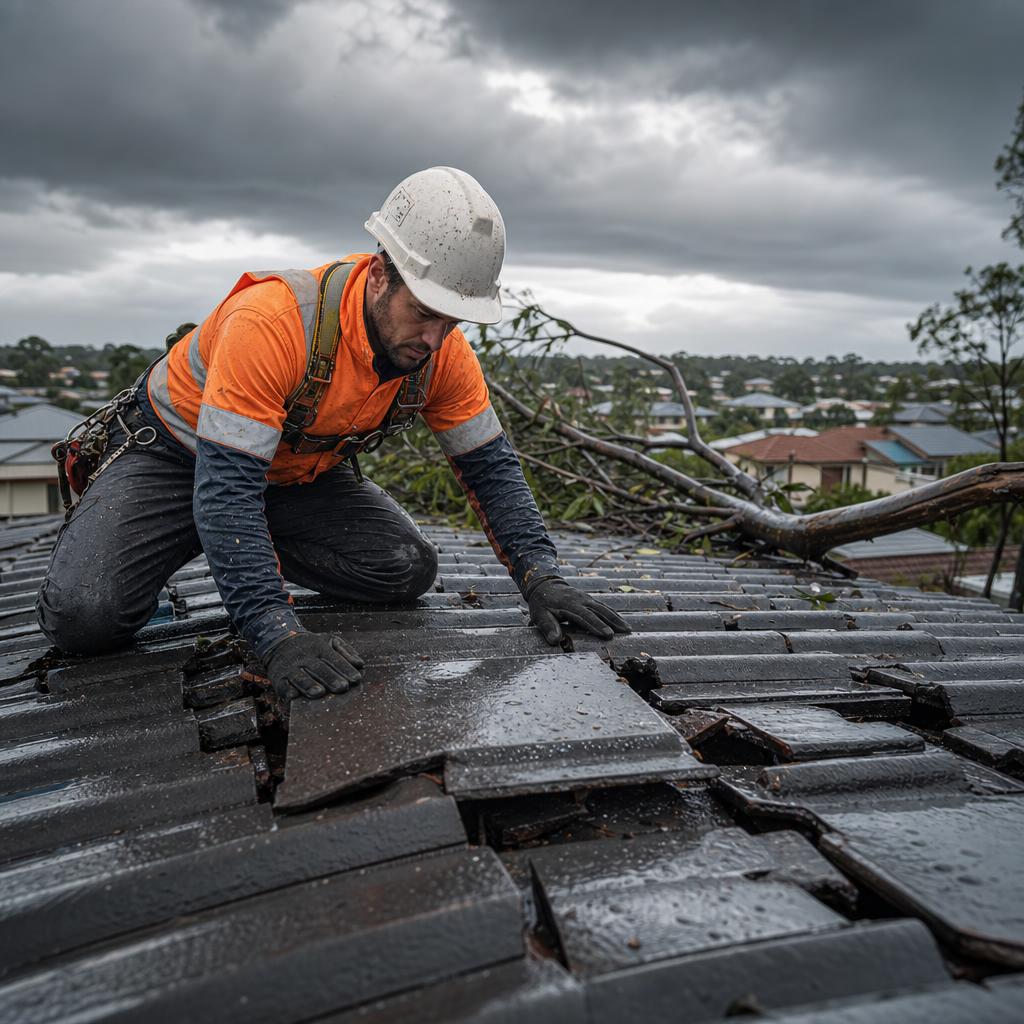
The ridge capping runs along the peak and hips of a tiled roof, and it is bedded in mortar and finished with a flexible pointing compound. Sydney's heat cracks the mortar, storms lift loose caps, and once a cap shifts, water pours straight into the roof cavity at the highest point. We re-bed caps that have come loose and re-point cracked mortar so the ridge is sealed and the caps stay put in the next big blow.
Why ridge capping fails
Ridge caps sit on a bed of sand-and-cement mortar. Over time that bedding dries out, shrinks and cracks, and the older rigid pointing lets go. Thermal movement between hot days and cool nights works the caps loose, and strong winds then catch the edge and lift them. Once a cap is loose the mortar underneath washes out, and the whole ridge line starts to sag and leak.
We often find previous repairs done with the wrong material, where rigid mortar was smeared over the top instead of flexible pointing. That cracks again within a season, so we remove it and do the job properly.
Re-bedding versus re-pointing
Re-bedding means lifting the caps, removing the old mortar bed and re-laying the caps on a fresh bed so they sit level and secure. Re-pointing is the finishing coat of flexible pointing compound over the bedding, which is what actually seals and flexes with the roof. In an emergency we re-bed any caps that have come away and re-point the cracked sections; a cap that's only lifted slightly can sometimes be re-pointed without a full re-bed.
The make-safe when a storm hits at night
If caps have blown off or cracked open during a storm, we secure the ridge and cover the opening so water stops entering immediately, then return in dry conditions to re-bed and re-point properly. Mortar and pointing need dry, stable weather to cure, so we won't rush a permanent fix in the rain and have it fail on you. The make-safe buys the time to do the lasting repair right.
What's Included
- Lifting and re-bedding loose or dislodged ridge and hip caps
- Removing cracked mortar and applying flexible pointing compound
- Replacing cracked or broken cap tiles to match your roof
- Securing storm-blown caps and covering openings as a make-safe
- Checking the ridge line for sag and uneven bedding
- Colour-matching pointing to the existing roof where possible
Frequently Asked Questions
What's the difference between bedding and pointing?
Bedding is the sand-and-cement mortar the ridge caps sit on. Pointing is the flexible finishing coat applied over the bedding that seals the joint and flexes with roof movement. Old repairs often fail because rigid mortar was used for pointing, which cracks; we use proper flexible pointing.
Can ridge caps be re-pointed without re-bedding?
Sometimes. If the caps are still firmly bedded and only the pointing has cracked, re-pointing alone will seal it. But if the caps have come loose or the mortar bed has washed out, they must be re-bedded first, otherwise the new pointing will crack again quickly.
How long before I can walk on it or expect rain?
Fresh bedding and pointing need dry conditions to cure, usually a day or more depending on weather. That's why we make the ridge safe first and schedule the permanent re-bed and re-point when the forecast is dry, so the mortar cures properly and lasts.
Do all the caps need doing or just the failed ones?
In an emergency we fix the failed section to stop the leak. But if the pointing is cracking along the whole ridge, patching one part often just moves the problem along. We'll tell you honestly whether a full re-point is the smarter spend.
Request a Free Inspection
Book a free, no-obligation inspection with our local crew.
Ready To Protect Your Home?
Book Your Free Roof Inspection Today.
Whether you need emergency roofing, leak detection, storm damage repairs or simply peace of mind, our experienced roofing specialists are ready to help. No pressure. No hidden costs. Just honest roofing advice.