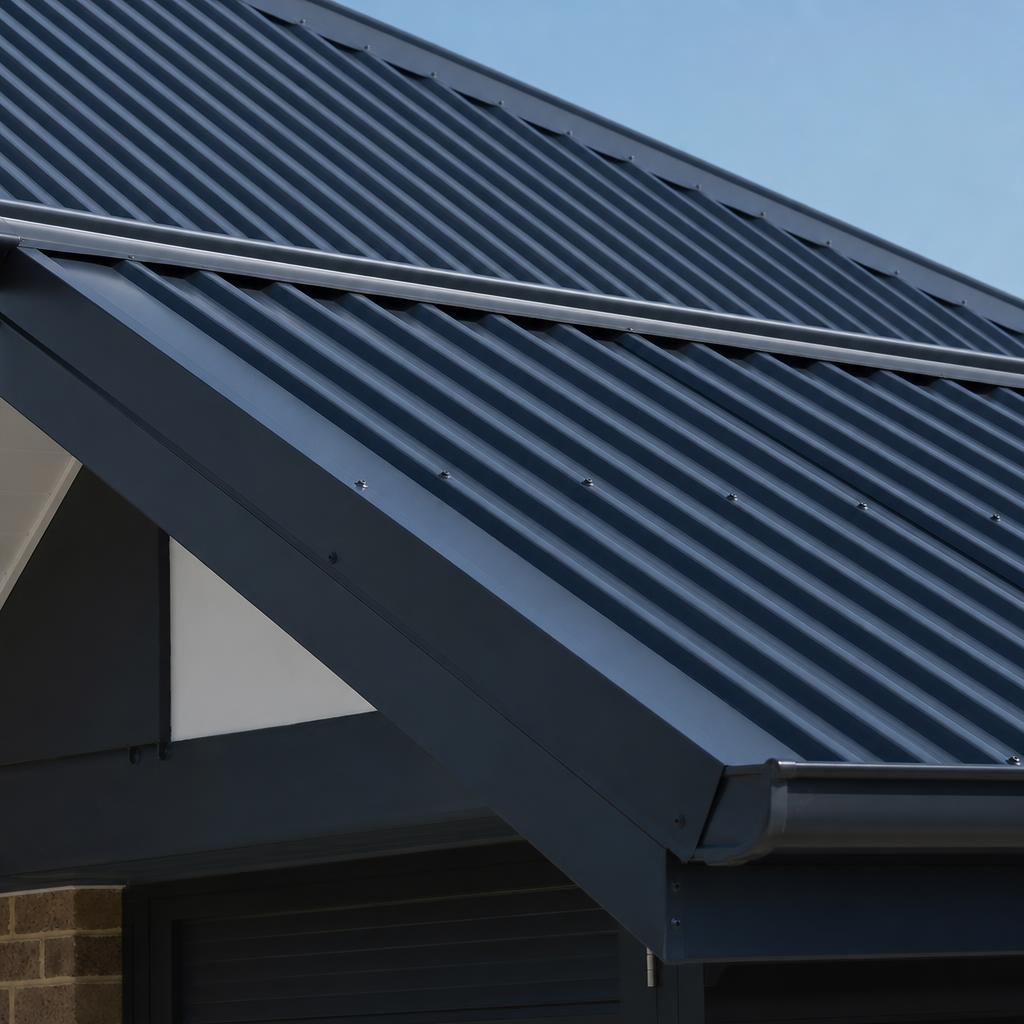
Drive through almost any Sydney suburb and you'll see tiled roofs everywhere — and the vast majority are either terracotta or concrete. From the ground they can look similar, but they're made differently, they age differently, and they cost differently. If you're re-roofing, extending, or just weighing up your options, knowing how the two compare will help you make a decision you're happy with for decades.
We work on both kinds of tile roof across Sydney every week, so this comparison comes from what we actually see on the tools, not a brochure. Neither tile is 'better' in every situation — the right choice depends on your budget, the look you're after, and how long you plan to stay in the home. Here's the honest breakdown.
What Each Tile Actually Is
Terracotta tiles are made from natural clay, moulded and then fired in a kiln at high temperature. The colour is baked in and often glazed, which is why terracotta roofs tend to hold their appearance for a very long time. Concrete tiles are made from a mix of sand, cement and water, pressed into shape and cured. Their colour usually comes from a surface coating rather than running all the way through, which matters when we talk about how they age.
Appearance and Colour Over Time
This is where terracotta really shines. Because the colour is fired into the clay and the surface is often glazed, a terracotta roof keeps its rich colour for decades with very little fading. Many of the older character homes in Sydney with their deep red or glazed roofs are terracotta, and they still look the part generations later.
Concrete tiles come in a much wider range of colours and profiles, so they're versatile if you're matching a modern build or a particular look. The trade-off is that the surface coating fades over the years, especially on sun-hammered sections. It's not a structural problem, but a concrete roof will usually look tired sooner than terracotta, and it can be re-coated to freshen it up when the time comes.
Durability, Weight and Maintenance
- Terracotta is highly resistant to fading and doesn't need re-coating, but individual tiles can be more brittle to walk on and pricier to source and match.
- Concrete tiles are tough and generally cheaper, but they're heavier and the colour coat fades over time.
- Both rely on sound ridge capping and bedding — crumbling mortar is a common issue on older roofs of either type.
- Both can grow moss and lichen in shaded, damp areas, which is cosmetic but worth cleaning off periodically.
- Concrete's extra weight means the roof structure has to be adequate — relevant if you're switching materials or re-roofing an older home.
In day-to-day terms, both tiles are durable and can last for many decades when they're looked after. The maintenance jobs are similar for both: keeping gutters and valleys clear, repointing or rebedding ridge capping when the mortar breaks down, and replacing the odd cracked tile. Terracotta tiles can be a touch more fragile underfoot, so foot traffic during maintenance needs care — something our crews are used to.
It's also worth knowing that both tile types allow the roof to breathe and cope well with Sydney's climate, from summer heat to heavy storm downpours. The tiles themselves shed water, but the real waterproofing comes from the sarking beneath them and the flashing at valleys, ridges and penetrations. That's why we always look under the surface: a roof with sound tiles but perished sarking or failing flashing can still let water in, regardless of whether it's terracotta or concrete.
Cost Considerations
As a general rule, concrete tiles cost less to buy than terracotta, which is a big reason they've been so widely used on volume housing. Terracotta sits at the premium end, and matching older or discontinued terracotta profiles for repairs can be trickier and dearer. We won't quote a figure here because every roof is different, but if upfront budget is the deciding factor, concrete usually wins; if long-term appearance and low fading matter most, terracotta earns its higher price.
One more thing to factor in is future repairs. If you own a home with an older terracotta roof, sourcing matching tiles years down the line can be a hunt, since some profiles are no longer made. We keep an eye out for reclaimed and salvaged tiles for exactly this reason. Concrete profiles tend to be easier to match or substitute, which can make ongoing patch repairs simpler and cheaper — worth weighing up if you plan to stay in the home for the long haul.
So Which Should You Choose?
If you want a roof that holds its colour for the long haul and you're happy to invest more upfront, terracotta is hard to beat — especially on period and higher-end homes where the look matters. If you want good durability at a more accessible price, plenty of colour and profile choices, and you don't mind that the finish will soften over the years, concrete is a sensible, proven option. There's no wrong answer; there's just the answer that fits your home and budget.
Whichever way you lean, the workmanship underneath the tiles matters just as much as the tiles themselves — the sarking, battens, flashing and ridge capping are what keep the roof watertight. If you're planning a re-roof or trying to decide between the two, we're glad to walk you through it in person. Book a free, no-obligation inspection and we'll assess your existing roof and structure and give you honest advice on the best fit. Call us on 0416 689 689.