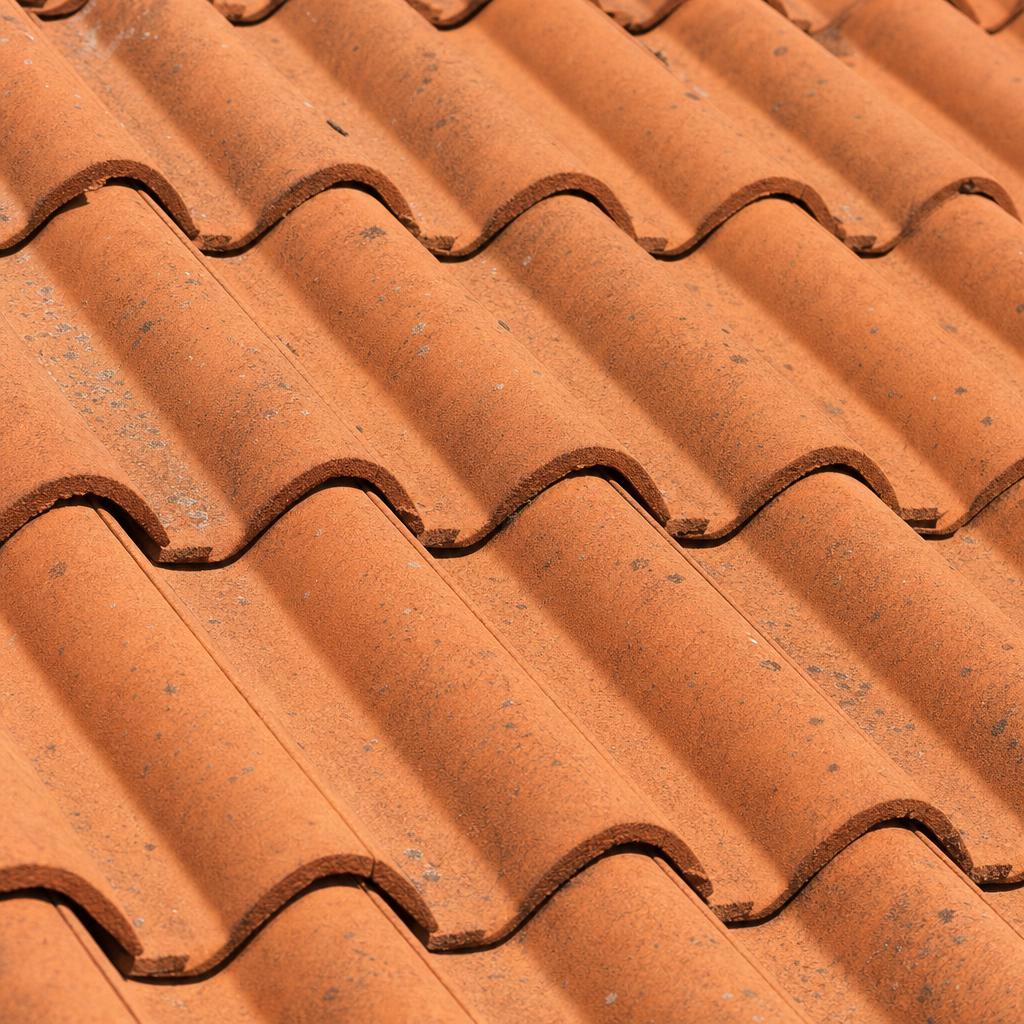
Walk through the older streets of suburbs like Haberfield, Summer Hill, Petersham, Strathfield or the Federation pockets of the Inner West and North Shore, and you'll see them: rich, warm terracotta-tiled roofs sitting over Federation and interwar homes. These roofs are a big part of what gives Sydney's character suburbs their look, and many of them are genuinely old. Cared for properly, a terracotta roof can outlast the people who worry about it. Treated carelessly, it can be ruined in a weekend.
Terracotta is fired clay, and it behaves very differently to the concrete tiles on newer homes. If you own one of these roofs, or you've bought a character home in the Inner West or lower North Shore, it's worth understanding what your roof needs — and, just as importantly, what it doesn't.
Why Terracotta Is Different to Concrete
A quality terracotta tile is a dense, glazed or unglazed clay product that's been fired at high temperature. The good ones are remarkably durable and their colour is baked in, not coated on. That's the key difference from concrete: you don't restore terracotta by painting it a new colour. The tile's surface is the tile. This means terracotta roofs age gracefully but demand a more careful, conservation-minded approach than a concrete roof that can simply be cleaned and coated.
The Real Weak Point: Bedding and Pointing
On most old terracotta roofs, the tiles themselves are in far better shape than the mortar holding the ridge caps down. Decades of Sydney sun and thermal movement crack the old rigid bedding, the pointing crumbles, and caps start to lift or slip. This is where the maintenance effort belongs. Re-bedding and re-pointing the ridges — ideally with a flexible pointing compound and a colour matched to the roof — restores watertightness and stability without touching the tiles that are doing just fine. On a heritage home this is the single most valuable job you can do.
What NOT to Do to a Terracotta Roof
This matters as much as the do's, because well-meaning owners cause real damage every year. On a heritage terracotta roof:
- Don't blast it with aggressive high pressure — old terracotta can be chipped and its surface damaged, and you can force water under the tiles.
- Don't paint or 'colour coat' it — you'll trap moisture, ruin the authentic baked-in colour, and create a peeling maintenance headache forever.
- Don't walk it carelessly — old tiles are brittle and crack underfoot; there's a technique to spreading your weight across the roof.
- Don't let a cheap operator replace broken tiles with mismatched modern ones that stand out like a sore thumb on a character home.
In heritage areas, and especially on homes with conservation controls, the goal is to keep the roof looking and performing as it was intended. That's a conservation mindset, not a makeover.
Sourcing Matching Tiles
Terracotta tiles crack, slip and get walked on over the decades, so replacements are a normal part of upkeep. The trick is matching them. Original profiles and colours are often out of production, so second-hand and salvaged tiles are gold on a heritage roof. A good roofer keeps an eye out for salvage stock and will take the trouble to match the profile and weathered colour rather than slapping in whatever's handy. On the character homes of the Inner West in particular, a poorly matched patch is instantly obvious from the street.
Moss, Lichen and the Damp North Side
Under Sydney's leafy old streets, the shaded and south-facing slopes of terracotta roofs collect moss and lichen. A gentle clean is fine and helps the roof dry out, but it has to be done with a light touch — soft-wash methods and low pressure rather than a machine that strips the surface. Keeping overhanging branches trimmed and gutters clear does more good long-term than any harsh clean.
Valleys, Flashings and the Points That Actually Leak
On a heritage roof, the tiles themselves rarely let water in — it's the metalwork that fails first. The valley gutters that channel water between two roof planes, and the flashings where the roof meets a chimney or a parapet wall, are often the original metal and can be decades old. On the ornate rooflines of Federation homes around the Inner West and North Shore, there are usually more of these junctions than on a plain modern roof, and each one is a potential entry point. When we inspect a character roof, the valleys and flashings get as much attention as the tiles, because that's where the trouble usually hides.
Chimneys and Original Details
Many homes in suburbs like Petersham and Summer Hill still carry their original chimneys, decorative ridge cresting and finials. These features are part of what makes the home worth its street, but they're also weak points — old chimney flashings crack, mortar washes out, and cresting works loose. The right approach is to preserve and re-seal these details rather than strip them off for the sake of a quick fix. A roofer who understands character homes should be treating those features as worth keeping, not as an inconvenience.
The Honest Bottom Line for Character Homes
A heritage terracotta roof rarely needs a dramatic intervention. It needs a careful inspection, sensible re-pointing of the ridges, a few well-matched replacement tiles, and a gentle clean when the growth builds up. Done right, that's often all it takes to add decades of life. If you own a character home anywhere from Haberfield to the North Shore and you want an honest opinion — not a hard sell for a coating your roof shouldn't have — call us on 0416 689 689 for a free, no-obligation inspection.