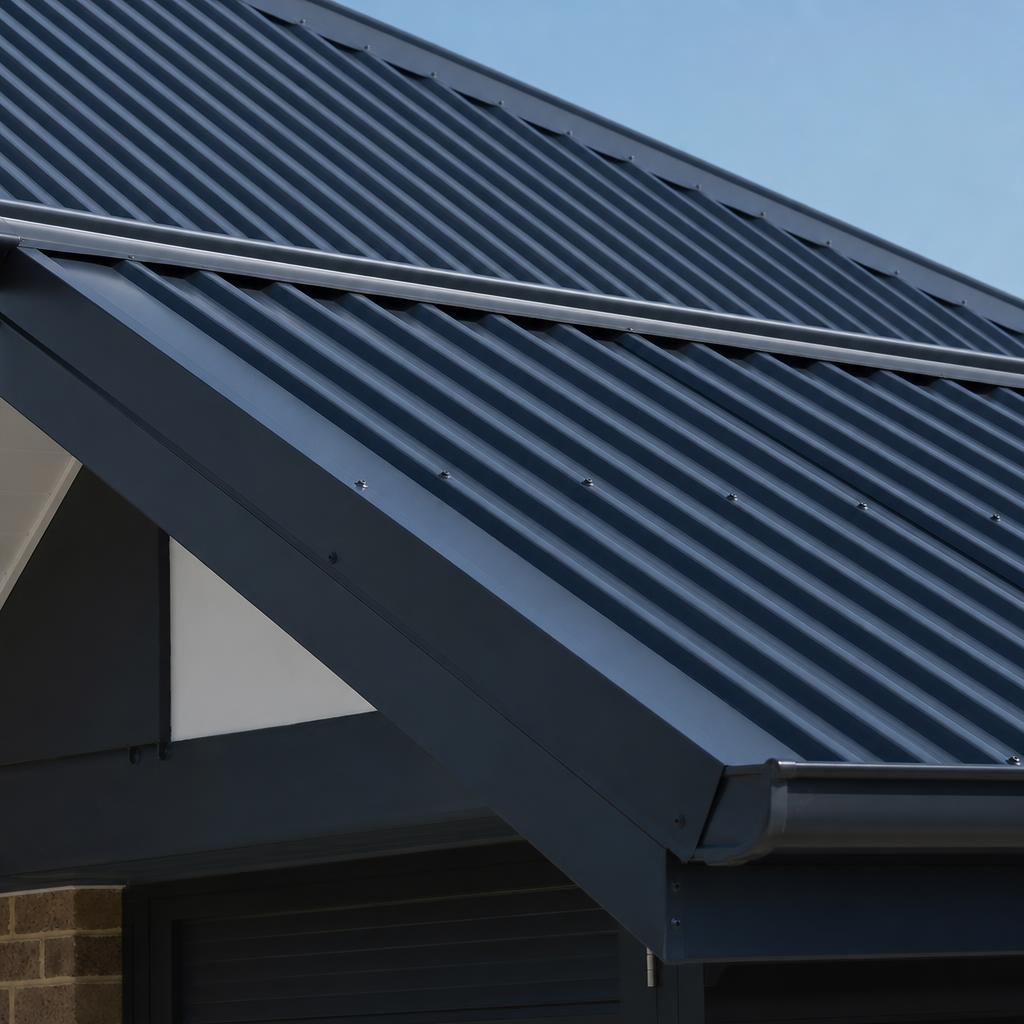
This is one of the most common questions we get asked on-site: should you go with Colorbond steel or stick with traditional concrete or terracotta tile? There's no single right answer -- it depends on your home, your budget, and what you value most.
Weight and Structural Load
Colorbond steel is dramatically lighter than tile -- around a tenth of the weight per square metre. For older homes with ageing roof structures, this can mean avoiding costly timber reinforcement work that tile re-roofs sometimes require.
Lifespan
- Colorbond steel: typically 50-70 years with proper maintenance
- Concrete tile: 50+ years, though individual tiles crack and need replacement over time
- Terracotta tile: can exceed 100 years, but is the most fragile to foot traffic and impact
Performance in Storms
Sydney gets its fair share of hail and severe wind. A well-installed Colorbond roof handles wind uplift better because it's fixed as continuous sheets rather than individual tiles that can be lifted or dislodged. Hail can dent steel in a bad storm, but it rarely causes a leak the way a cracked or displaced tile does.
Cost
Upfront, Colorbond and mid-range concrete tile are often comparable per square metre once you factor in the lighter structure and faster install time for steel. Premium terracotta tile sits at the higher end. The bigger cost differentiator over time is maintenance -- Colorbond needs very little, while tile roofs benefit from periodic repointing and re-bedding of ridge capping.
Noise and Insulation
A common myth is that steel roofs are noisy in the rain. With modern sarking and insulation, this is a non-issue on almost every home we've worked on -- the difference is negligible for a well-built roof of either material.
Not sure which is right for your place? We do free assessments and can walk you through the trade-offs specific to your home, budget, and street.